12 Questions to Ask a Heating Repair Specialist
When your home's heating system starts acting up, calling a professional is often the smartest move. Inviting a heating repair specialist into your home isn't just about fixing a problem; it's also about trust, communication, and making sure your system is cared for properly over the long term. Asking the right questions can help you understand your heating system better, feel confident in the service being provided, and build a solid working relationship with the professional handling your home comfort.
Below are 12 essential questions every homeowner should consider asking a heating repair specialist. These questions are designed to empower you with knowledge, clarify expectations, and ensure your heating system receives the attention it deserves.
1. What Experience Do You Have Working With My Type of Heating System?
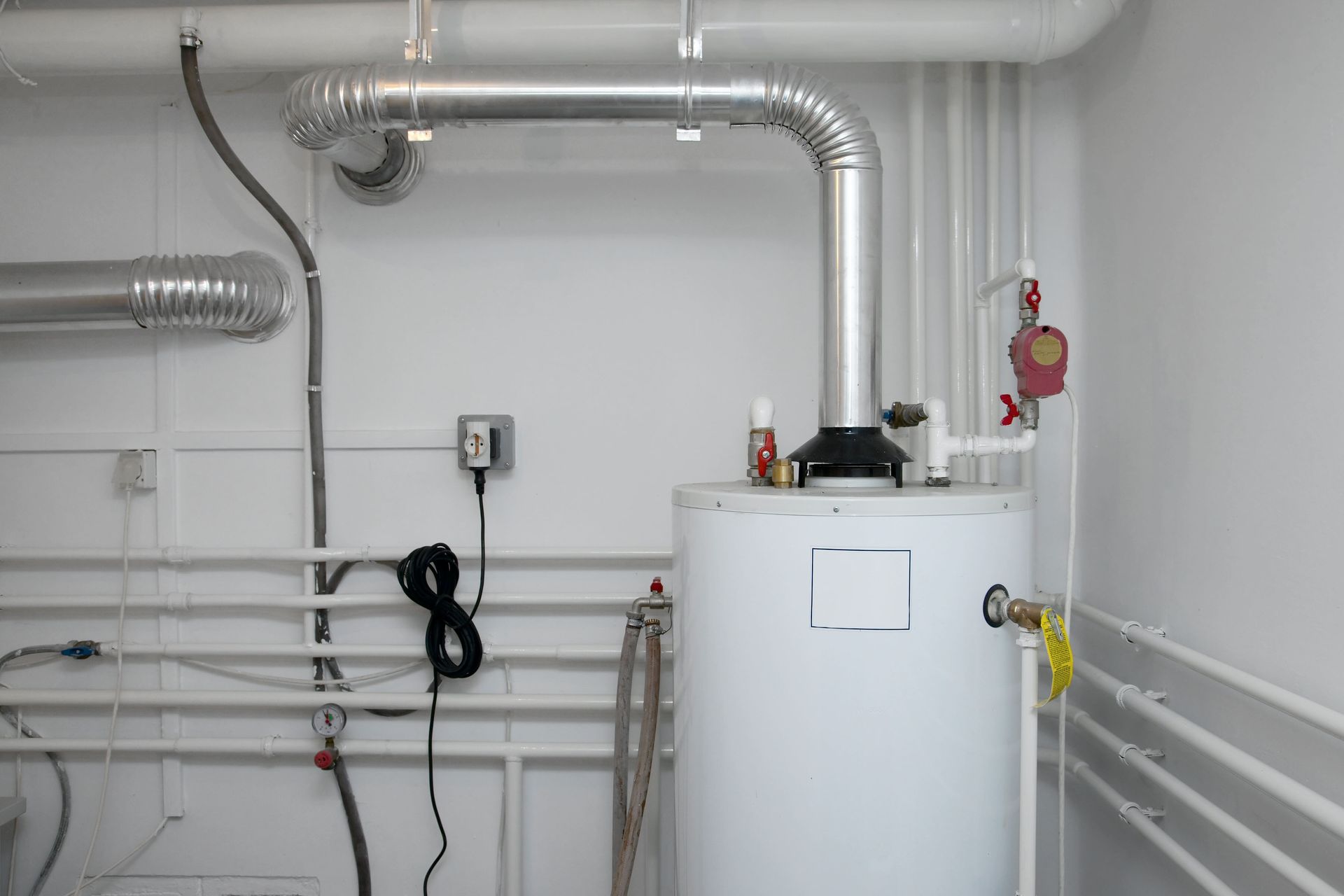
Not all heating systems are the same, and experience matters. Residential homes can rely on a variety of equipment, and a specialist's familiarity with your specific setup can make a meaningful difference in diagnosis and repair quality. According to Forbes, there are three main kinds of furnaces: electric, gas, and propane or oil. Each of these systems operates differently and comes with its own set of components, safety considerations, and performance characteristics.
By asking about experience, you're not questioning the professional's competence; you're simply ensuring that their background aligns with your needs. A seasoned heating repair specialist should be comfortable explaining which systems they've worked on and how that experience applies to your home.
2. How Do You Typically Diagnose Heating System Issues?
Understanding the diagnostic process can give you peace of mind and insight into how thoroughly your system will be evaluated. Heating issues can stem from a wide range of causes, from electrical components to airflow problems or control system malfunctions. A professional approach to heating repair usually involves a structured inspection rather than guesswork.
When a specialist explains their diagnostic steps clearly, it signals professionalism and transparency. It also helps you understand what's happening behind the scenes, making the entire process feel more collaborative and less mysterious.
3. What Safety Considerations Should I Be Aware of With My System?
Heating systems are designed to keep your home comfortable, but they also involve elements like electricity, combustion, or pressurized components. Asking about safety considerations shows that you're invested in protecting your household and maintaining a safe living environment.
A knowledgeable professional should be able to explain any relevant safety features, warning signs to watch for, and general precautions related to your system. This conversation isn't about causing worry; it's about awareness and responsible homeownership, especially when dealing with professional heating repair services.
4. How Can I Tell My Heating System Is Functioning Properly After the Repair?
Once a repair is completed, homeowners often wonder what normal operation should look or sound like. Asking this question helps set clear expectations and gives you benchmarks to rely on moving forward.
A heating repair specialist can explain typical system behavior, such as startup sounds, airflow patterns, or thermostat responses. This knowledge helps you feel confident that the system is running as intended and allows you to notice early signs if something seems off later on.
5. Are There Specific Parts of My System That Require Closer Attention Over Time?
Every heating system has components that experience more wear than others. By asking about these areas, you gain insight into how your system ages and which parts are most critical to its performance.
This doesn't mean you need to become an expert yourself. Instead, it allows you to have informed conversations with professionals in the future and better understand the explanations provided during heating repair visits. Awareness builds confidence and helps you stay engaged in the care of your home.
6. How Does My Heating System Interact With Other Parts of My Home?
Your heating system doesn't operate in isolation. It works alongside ductwork, thermostats, electrical systems, and even insulation levels within your home. Asking about these interactions can help you see the bigger picture of home comfort.
A skilled specialist can explain how airflow, control systems, and overall home design influence heating performance. This broader understanding can make discussions about heating repair more meaningful and easier to follow, especially when multiple factors are involved.
7. What Signs Indicate That Professional Attention Is Needed Again?
Knowing when to call a professional is just as important as knowing who to call. Asking about warning signs empowers you to act promptly if issues arise, potentially preventing more extensive problems.
A heating repair professional can outline common indicators that something isn't working correctly, such as unusual system behavior or inconsistent performance. This guidance helps you stay proactive without feeling anxious or uncertain about every small change.
8. How Do You Document the Work Performed on My Heating System?
Clear documentation is often overlooked, but it plays an important role in long-term system care. Asking about records, notes, or service summaries shows that you value organization and continuity.
When heating repair work is well-documented, it becomes easier for future professionals to understand your system's history. It also helps you keep track of what's been addressed over time, fostering better communication and smoother service experiences.
9. How Do You Communicate During the Repair Process?
Communication style matters, especially when technical systems are involved. Some homeowners prefer detailed explanations, while others want high-level summaries. Asking this question helps set expectations on both sides.
A good heating repair specialist should be adaptable and willing to explain things in a way that makes sense to you. Open communication builds trust and ensures that you feel comfortable asking follow-up questions whenever needed.
10. What Qualifications or Training Support Your Work?
Professional training and ongoing education are important in an industry that continues to evolve. Asking about qualifications isn't about credentials alone; it's about understanding the foundation behind the service you're receiving.
This question gives the specialist an opportunity to share their background and commitment to their craft. It also reassures you that your heating repair needs are being handled by someone who takes their role seriously and stays informed about best practices.
11. How Do You Approach Problem-Solving When Issues Are Complex?
Some heating issues are straightforward, while others require deeper investigation. Asking about problem-solving approaches can give you insight into how a specialist handles challenges and unexpected findings.
A thoughtful answer often reflects experience, patience, and attention to detail: qualities that are invaluable in heating repair. It also helps you understand how the professional adapts when the solution isn't immediately obvious.
12. What Should I Expect in Terms of System Performance After Professional Service?
After a heating repair visit, homeowners often want reassurance about what comes next. This question allows the specialist to explain expected outcomes and system behavior in a clear, realistic way.
Understanding post-service performance helps align expectations and reinforces confidence in the work performed. It also provides a reference point for future conversations should questions arise.
Asking thoughtful questions isn't about challenging a professional; it's about being an engaged homeowner. When you understand your heating system and the reasoning behind professional recommendations, you're better equipped to make informed decisions and feel comfortable inviting specialists back into your home.
Professional heating repair is a collaborative process at its best. Clear questions lead to clear answers, stronger trust, and better outcomes for your home's comfort and reliability.
Choosing a heating repair specialist is about more than solving a single issue; it's about building confidence in the care your home receives. By asking these 12 questions, you create a foundation of understanding, transparency, and mutual respect that benefits both you and the professional working on your system. If your home's heater needs to be repaired, reach out to Valley Metal & Heating Inc today for expert services.