3 Things to Consider Before Choosing Furnace Replacements
According to Today's Homeowner, replacing an older furnace with a high-efficiency model can cut your energy bills by up to 30%. Replacing a furnace is a major decision for any homeowner, and it often comes after years of gradual changes in performance, efficiency, and comfort. Understanding when a system is no longer operating effectively can help you avoid unexpected breakdowns and maintain consistent heating throughout your home. A careful evaluation of your current equipment, combined with knowledge of available system types, can help guide you toward a practical and well-informed furnace replacements choice. It also helps to take a step back and look at how the system has performed over time, especially during seasonal changes when demand tends to be higher. Small shifts in performance may become more noticeable as conditions outside become more extreme, making it useful to consider the broader picture rather than isolated moments of operation. Furnace replacements are often considered when these gradual changes begin to affect overall comfort and consistency.
1. Current Furnace Condition Assessment
Evaluate System Age
One of the first factors to consider is the age of your furnace. Most systems are designed to operate for roughly 15 to 20 years, depending on usage and maintenance history. As equipment approaches the end of its typical lifespan, components begin to wear down more frequently, and performance may become less consistent. Even if the system is still operating, older units may struggle to maintain steady heating during colder months. Over time, normal wear can also make it more difficult for the system to respond quickly to changes in temperature settings. Homeowners often begin to notice that the system requires a bit more attention during seasonal transitions, especially when switching between milder and colder weather patterns. These gradual changes can be easy to overlook at first, but they often become more noticeable with continued use. Furnace replacements may become a consideration as these signs become more consistent over time.
Review Repair Frequency
If a furnace requires several service calls or ongoing repairs, it may be a sign that internal components are deteriorating. While occasional maintenance is expected, frequent breakdowns can indicate that the system is becoming less consistent in operation. Over time, repair needs can become disruptive and make it difficult to maintain consistent comfort in the home. In these situations, furnace replacements are often considered as a more practical long-term solution. It can also be helpful to observe how often issues arise within a short period of time, as clusters of repairs may suggest underlying wear in multiple parts of the system. Even smaller issues, when they begin to appear more regularly, can add up to a pattern that is worth evaluating more closely. These patterns are often reviewed when determining whether furnace replacements are appropriate.
Assess Efficiency And Fuel Use
Furnace efficiency refers to how effectively the system converts fuel into usable heat. Older systems generally operate less efficiently than newer models, which can lead to higher energy consumption to achieve the same level of comfort. Efficiency is commonly measured using AFUE (Annual Fuel Utilization Efficiency), which provides a general comparison between systems. Understanding how your current furnace performs in this area can help determine whether furnace replacements may improve overall operation. It can also be useful to think about how the system runs during different parts of the day, since heating demand is not always consistent. Longer run times or more frequent cycling may gradually reflect changes in overall efficiency. Over time, these patterns can offer helpful insight into how the system is functioning under regular household conditions. Furnace replacements are sometimes evaluated when efficiency declines become more noticeable.
2. Available Heating System Options
Consider Gas Furnace Role In Home Heating
Gas furnaces are one of the most commonly used heating systems in residential homes. They use natural gas to produce heat and are widely chosen for their strong heating capability and relatively quick response time. When properly maintained, gas furnaces can provide consistent warmth during colder weather. Regular upkeep is important to ensure safe and consistent operation over time. In many homes, these systems are part of long-standing heating setups that have been used across multiple seasons, making familiarity a common factor in their continued selection. Their performance is often evaluated based on how well they meet household heating needs during peak usage periods, particularly when outdoor temperatures drop significantly. Furnace replacements may include gas furnace options depending on the home's setup.
Compare Electric Furnace Function In Residential Systems
Electric furnaces generate heat using electrical resistance rather than combustion. These systems are often selected in areas where natural gas is not available. They typically have fewer mechanical components compared to fuel-based systems, which can simplify maintenance. However, performance and operating costs may vary depending on electricity rates and household heating demands. These systems are also often considered in homes where straightforward installation and operation are preferred. Their heating output is generally consistent, and they can be integrated into a variety of home layouts without extensive modifications. Over time, homeowners may evaluate how well these systems align with seasonal comfort needs and overall household usage patterns. Furnace replacements may include electric systems, depending on property requirements.
Examine Oil Furnace Use In Select Applications
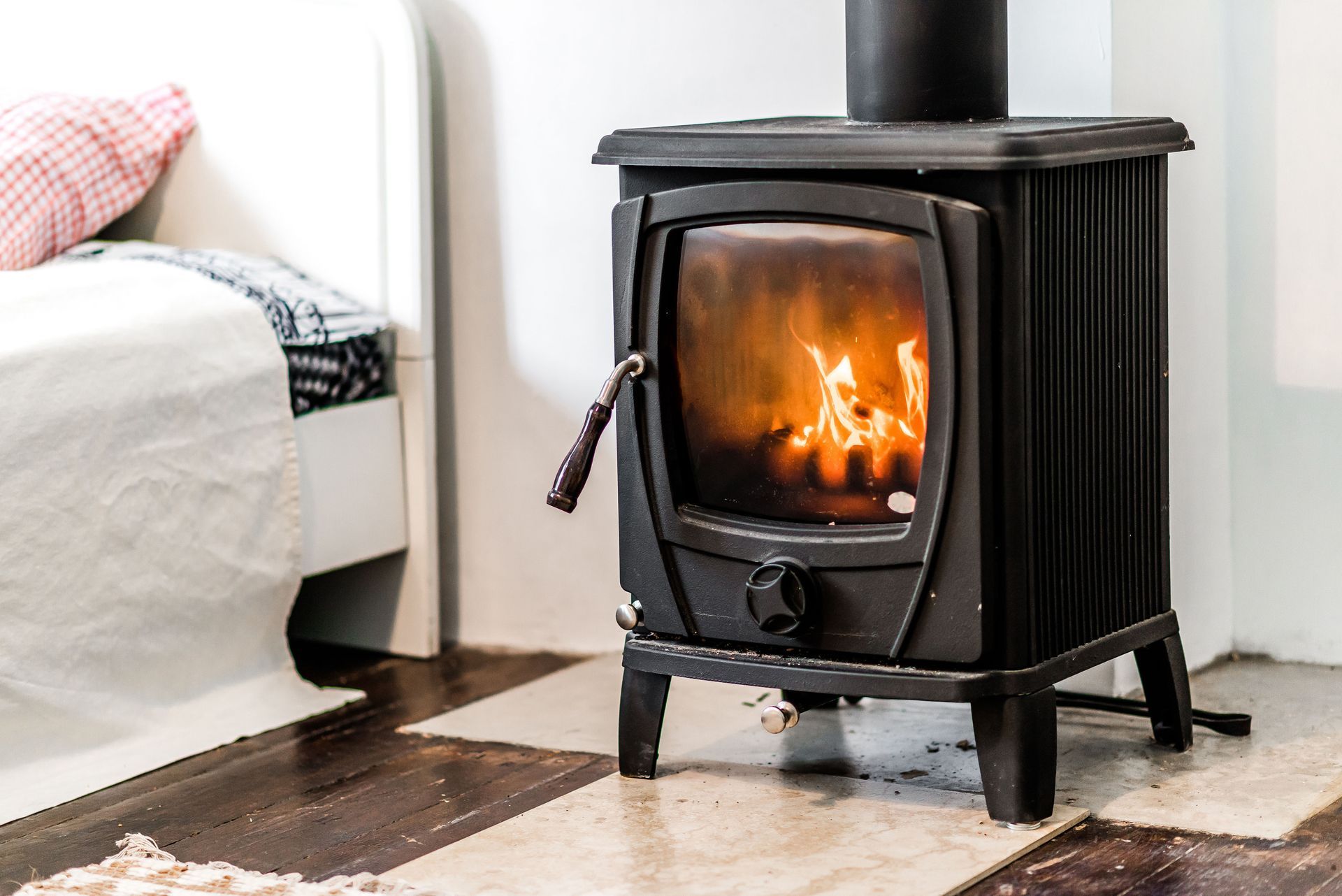
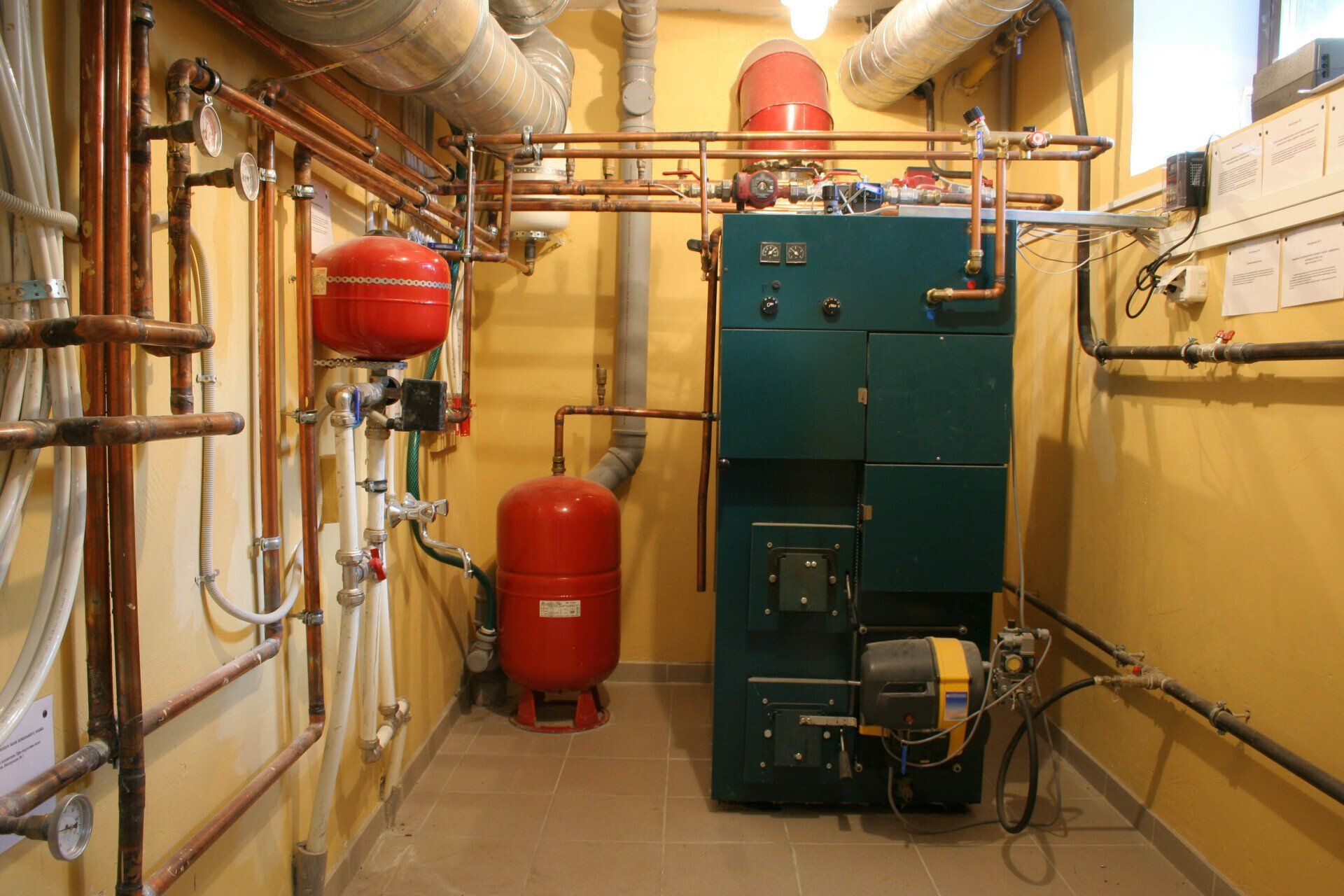
Oil furnaces are less common today but are still used in some homes, particularly in areas without access to natural gas. They are capable of producing strong heat output and can perform well in very cold climates. These systems require regular fuel delivery and maintenance to ensure consistent operation throughout the heating season. In certain households, they remain part of established heating setups that have been in place for many years. Their continued use is often tied to regional energy availability and existing infrastructure. Over time, homeowners may assess how these systems fit within their broader heating needs, especially when considering long-term usage and seasonal performance expectations. Furnace replacements may involve oil systems, depending on existing infrastructure.
3. Key Furnace Replacement Factors
Choosing whether to repair or replace a furnace often comes down to a combination of factors, including system age, repair history, efficiency, and comfort performance. A system that is no longer meeting household heating needs or requires frequent service may benefit from furnace replacements. Reviewing these elements together provides a clearer picture of whether continued repairs are practical or if a new system is the better long-term option. It can also help to think about how these factors interact over time, since changes in one area often influence others. Looking at overall patterns rather than isolated issues can provide a more complete understanding of system condition. Furnace replacements are often evaluated when multiple concerns overlap.
Homeowners may also consider how different system types align with their property, usage patterns, and long-term comfort needs. A well-chosen replacement system should support consistent heating performance and appropriate energy use for the home. Taking time to compare general system characteristics can help clarify which direction best fits household requirements. Seasonal heating demands, home layout, and personal comfort preferences often play a role in shaping the final decision. Furnace replacements are typically guided by these combined considerations rather than a single factor alone.
For homeowners considering furnace replacements or heating system upgrades, Valley Metal & Heating Inc offers a range of heating system installation, repair, and maintenance services. Our team works with gas furnaces, electric furnaces, oil furnaces, and heat pump systems to support different household needs and setups. To learn more about available options and services, homeowners can explore what's offered and determine what may be the best fit for their home.