How Regional Climate Shifts Shape Global Property Care
Balancing indoor comfort with service climate control requires analyzing how regional weather patterns, geographical locations, and local infrastructure interact. Property owners often think that climate control systems operate under identical demands regardless of location, overlooking how local environmental factors impact equipment wear. Tailoring heating and air conditioning services to meet specific regional needs is a highly practical way to lower utility expenses and protect mechanical investments.
When a building's thermal infrastructure is correctly calibrated to match local weather realities, the system runs with minimal energy strain. This article examines how geographic location impacts mechanical demands, helping facility managers and homeowners make strategic maintenance decisions to protect their property infrastructure.
Managing Varied Environmental Demands
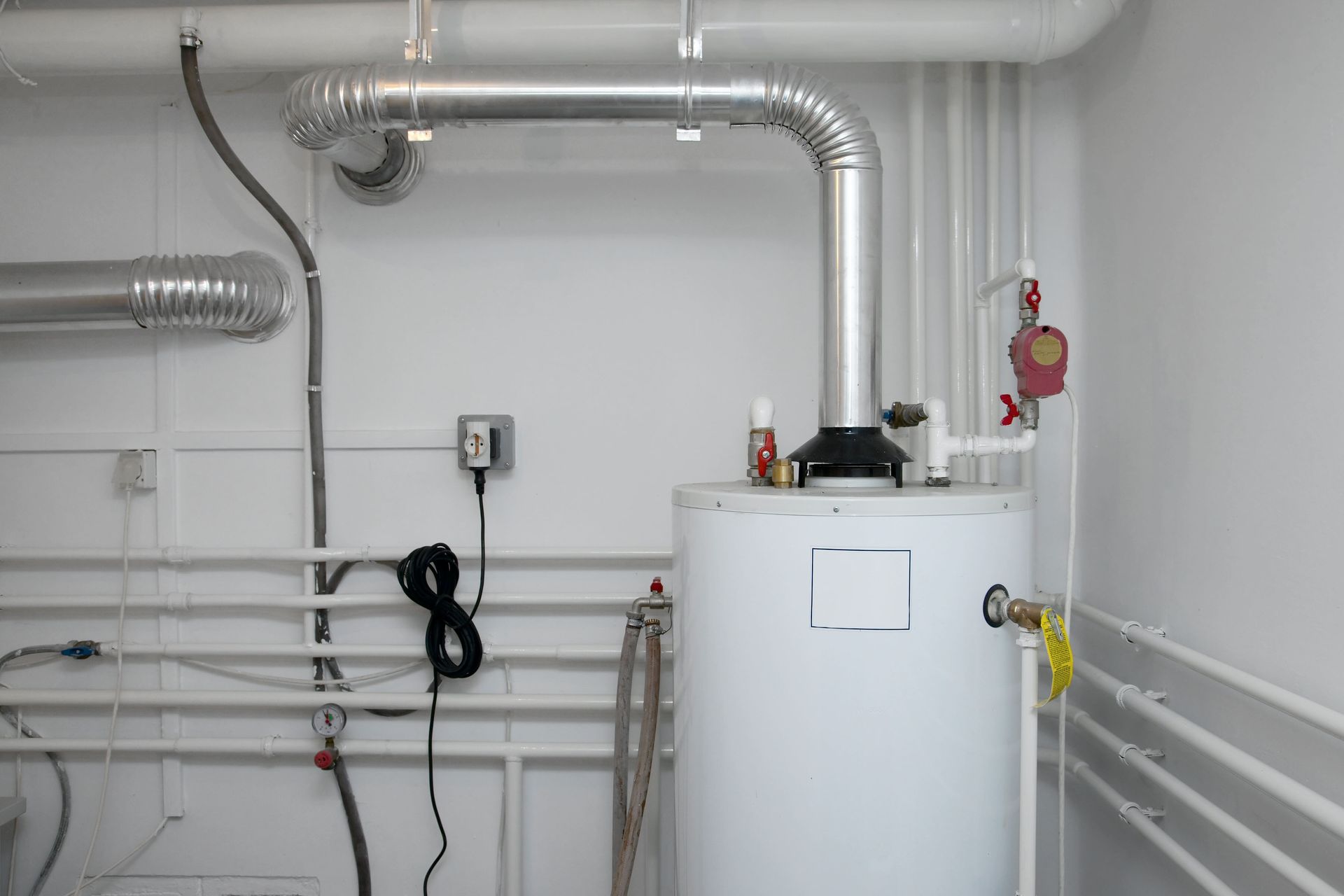
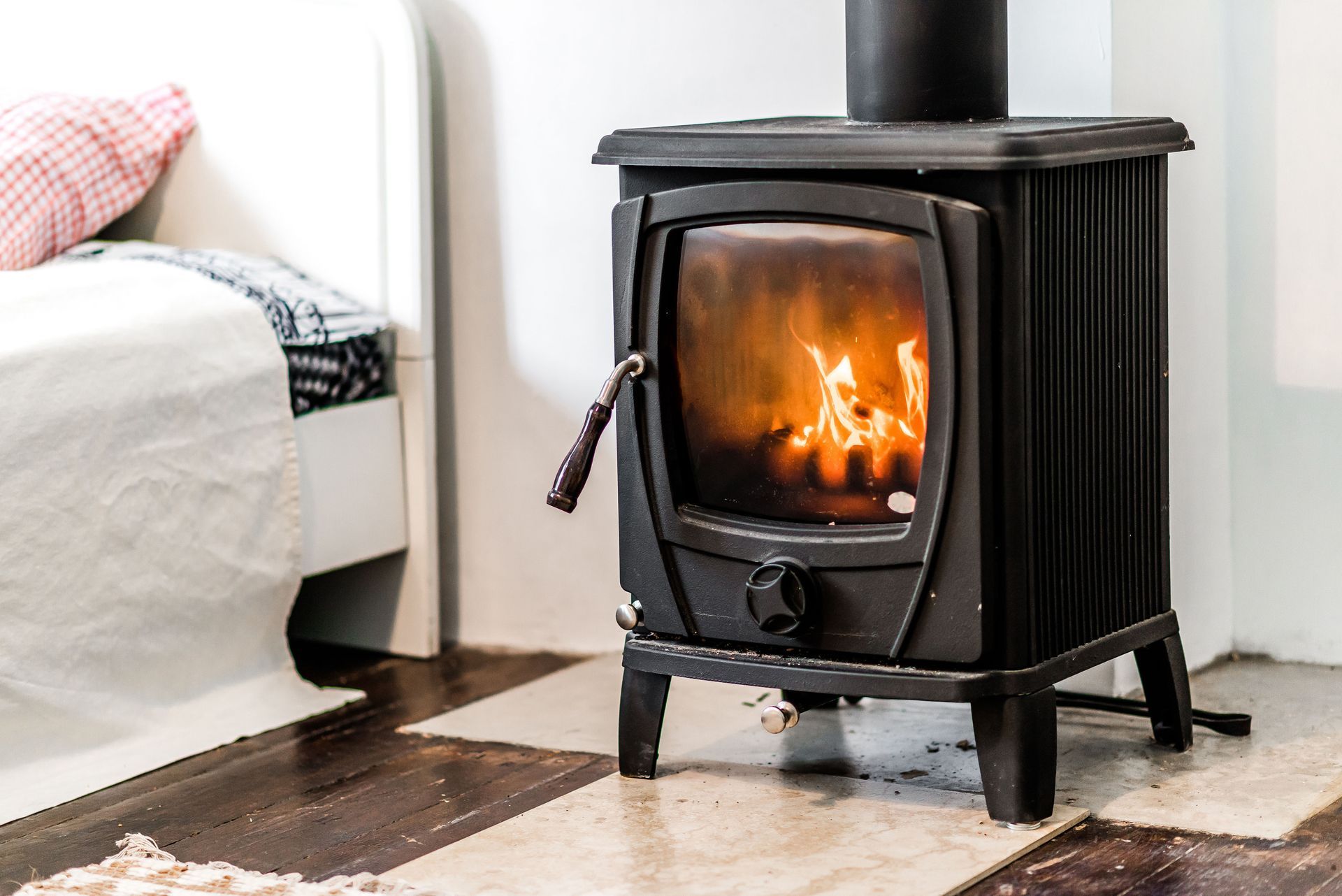
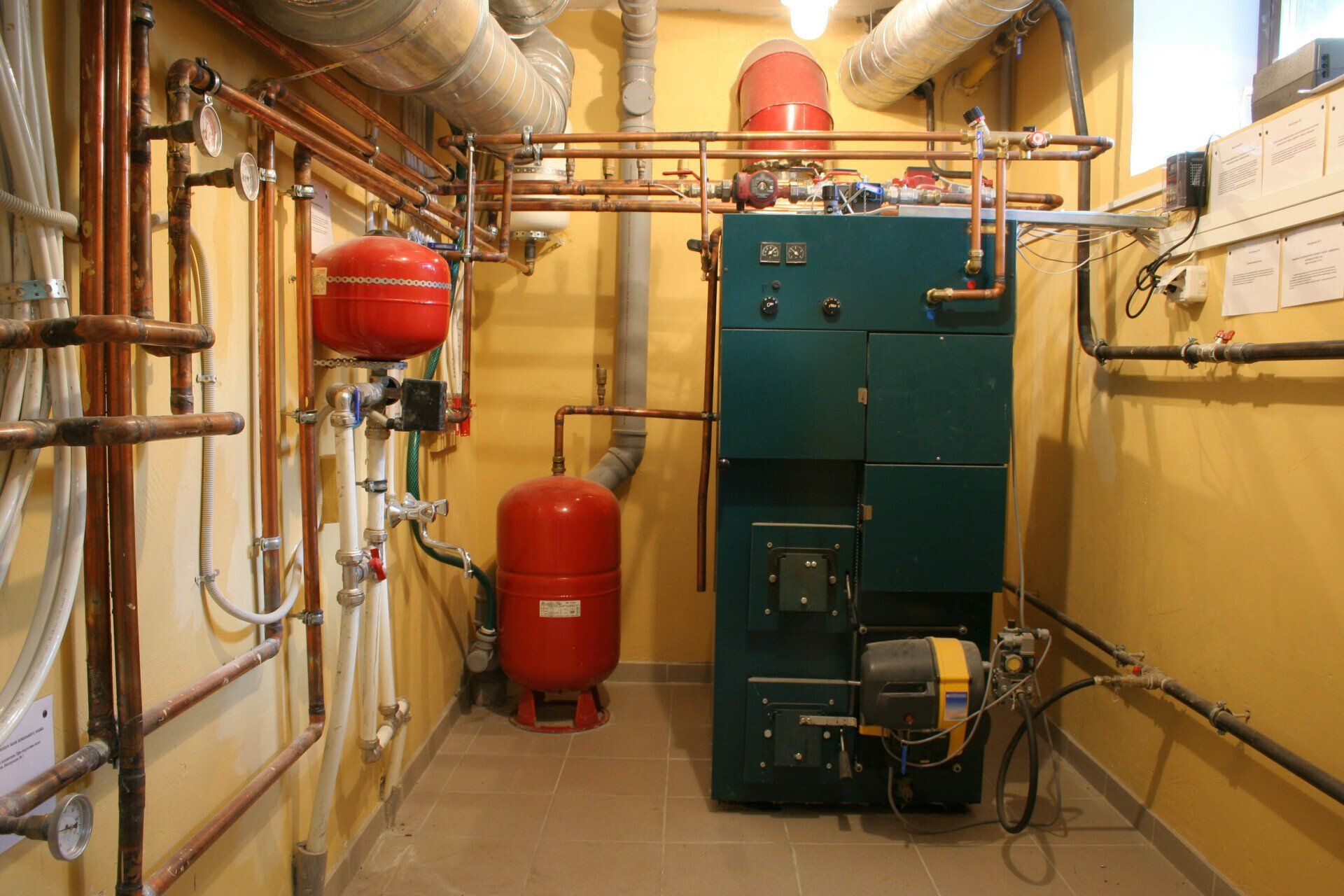
In regions exposed to extreme winter weather, high-capacity thermal systems are vital for protecting building safety and maintaining livable indoor spaces. Areas throughout the northern hemisphere depend heavily on sealed boilers, heavy-duty furnaces, and advanced cold-climate heat pumps to combat freezing conditions. When outdoor temperatures drop well below freezing, a system failure can lead to burst water pipes, structural flooding, and dangerous indoor living environments within a matter of hours.
Because running these units accounts for a massive portion of winter utility expenses, local property owners place a premium on system efficiency. Mechanical components must be thoroughly insulated and routinely adjusted to handle continuous, high-stress operation without sudden hardware failures.
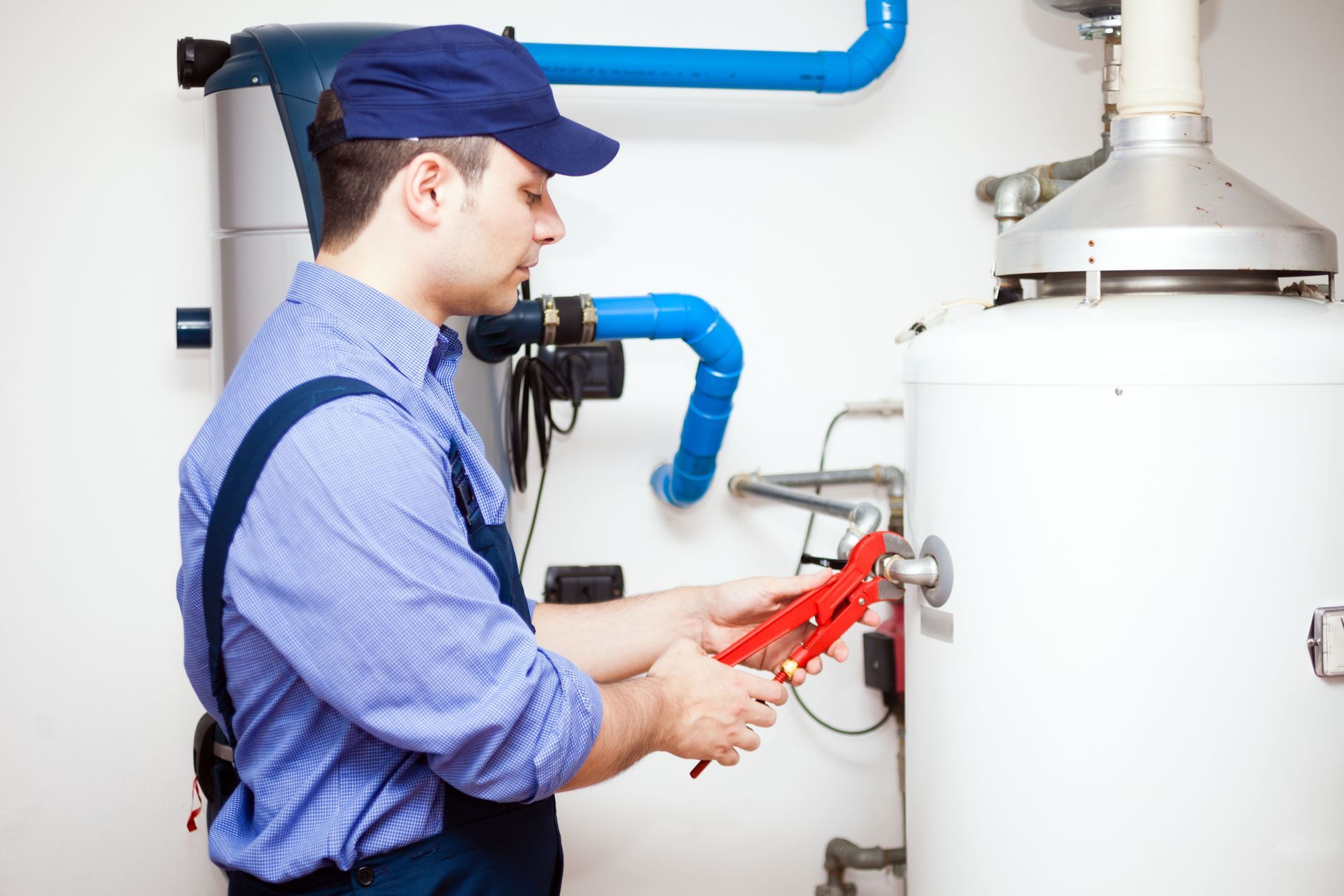
During extended cold snaps, heating units must cycle constantly to maintain a stable indoor baseline, placing intense stress on internal heat exchangers and ignition modules. Staying ahead of this wear requires technicians to perform regular flame sensor cleanings, combustion air adjustments, and exhaust venting inspections. Taking these detailed precautions prevents toxic carbon monoxide leaks and ensures that the internal heating elements do not crack under prolonged thermal expansion.
Responding to Hot Regional Climates
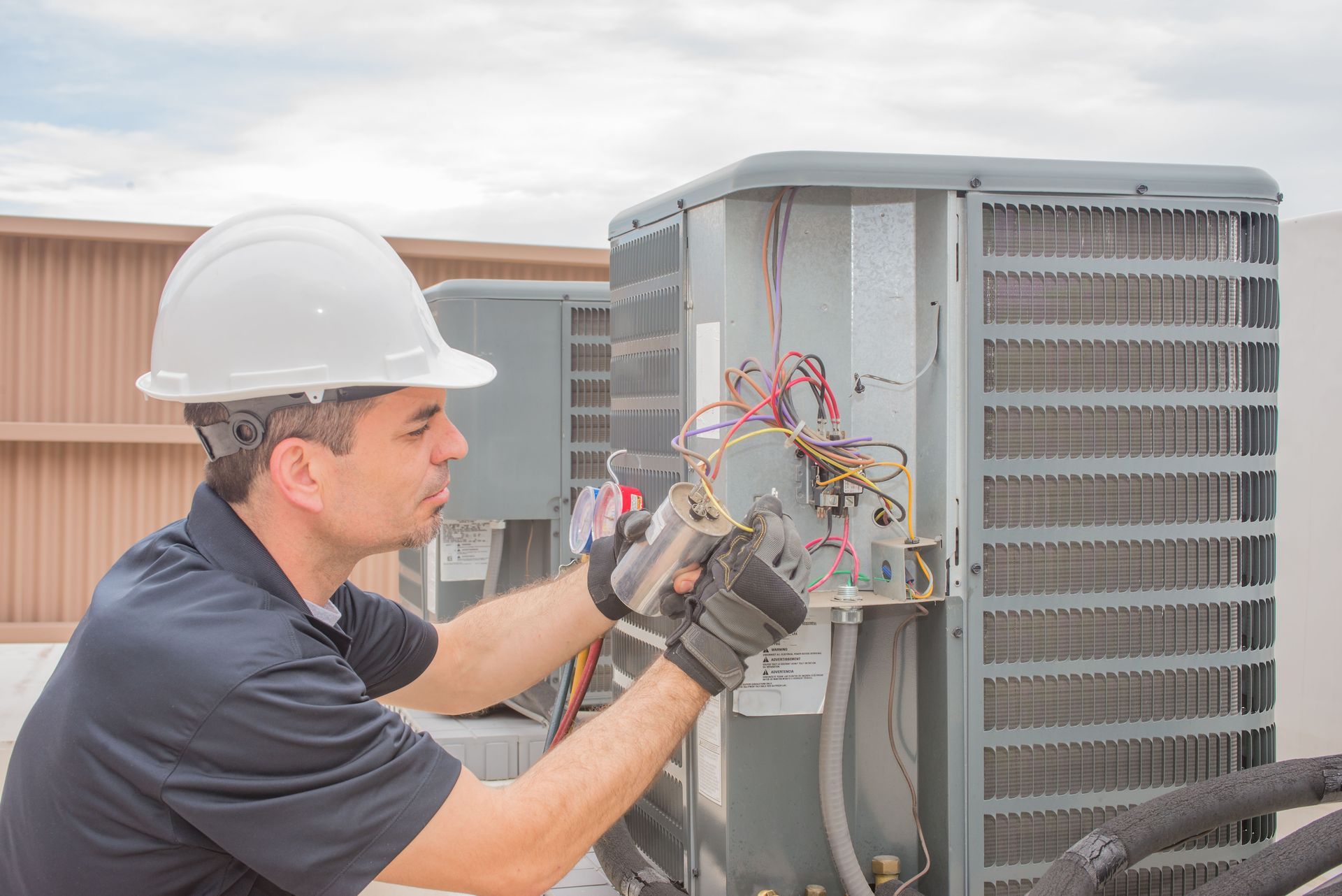
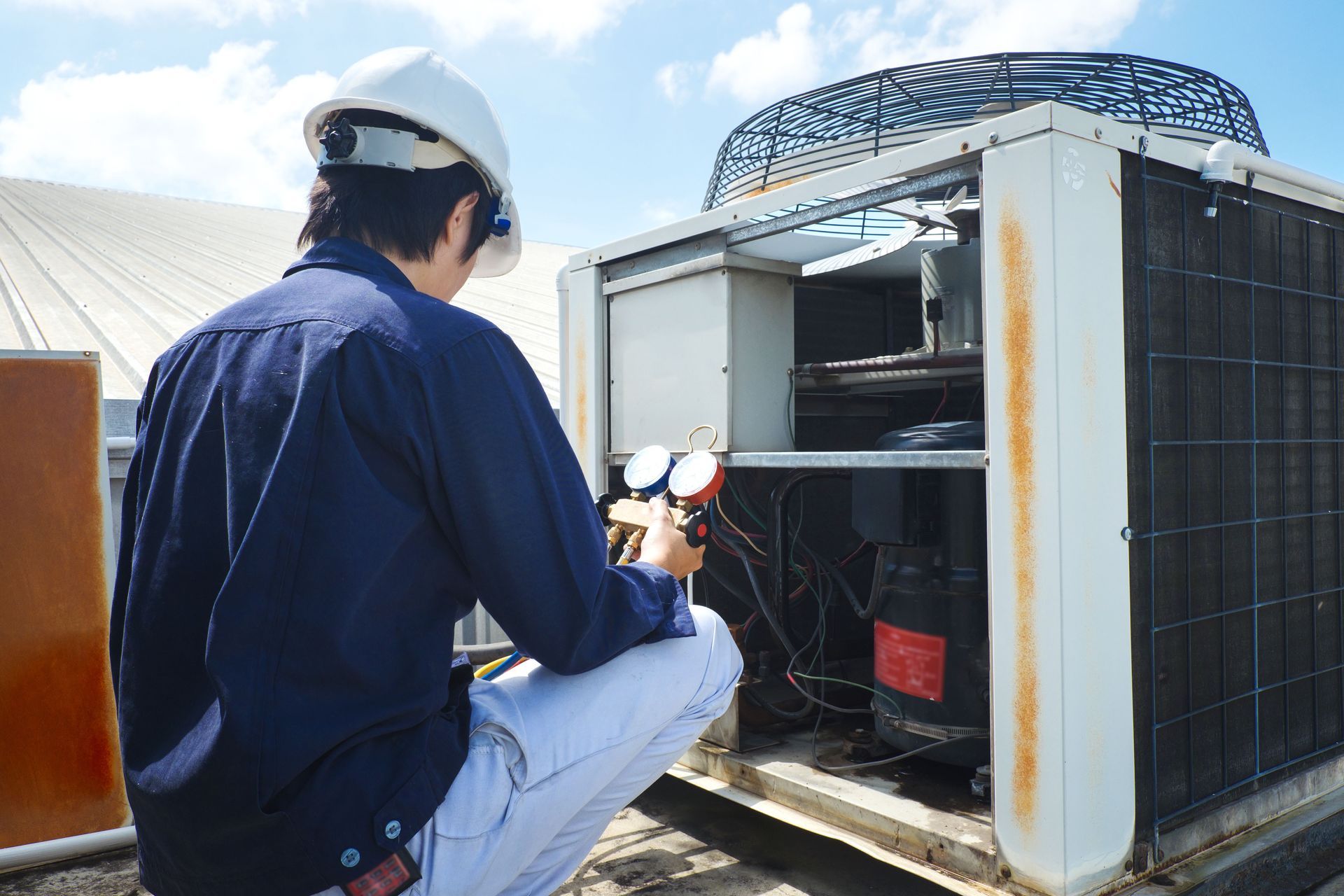
Conversely, properties situated in consistently hot environments require robust refrigeration networks to maintain safe indoor temperatures. In these warm climates, central cooling systems operate almost continuously for several months out of the year, making routine filter changes and coil cleanings essential for avoiding system breakdowns.
The necessity for continuous cooling varies significantly depending on your geographical territory. According to regional climate data from Workyard, the Midwest and South lead the country in cooling usage, with air conditioning adoption rates reaching 92% and 93%, respectively, while properties in the West maintain the lowest usage at 73%, dropping down to 49% specifically along the Pacific Coastline. These varying percentages show how local weather profiles dictate household equipment demands.
Balancing Moderate Weather Environments
Properties located in mild, temperate climate zones experience a much more balanced distribution of mechanical workloads throughout the year. Areas like the coastal Pacific Northwest require flexible systems that can switch smoothly between minor heating in the winter and moderate cooling in the summer.
Property owners in these regions frequently install hybrid heat pumps and ductless mini-split units. These versatile systems offer excellent operational flexibility, letting occupants manage shifting weekly temperatures without consuming excessive power.
Controlling Subtropical Moisture Levels
High atmospheric humidity drastically changes how cooling systems process indoor air, particularly in tropical and subtropical environments. Damp air traps heat effectively, making indoor spaces feel significantly warmer than the actual thermostat reading.
Modern cooling systems running in humid regions must utilize advanced variable-speed blowers and dedicated dehumidification cycles to extract moisture from the air supply. Pulling this excess water out of circulation prevents internal mold growth and ensures crisp indoor air quality.
Preparing for Seasonal Service Fluctuations
Territories that experience four distinct seasonal changes cause predictable demand spikes for mechanical service teams. The late spring and autumn months represent transitional periods where equipment sits idle, while the peaks of summer and winter push systems to their absolute limits.
Property owners who arrange for professional heating and air conditioning services during these off-peak transitional windows can prevent unexpected breakdowns during severe weather, ensuring their climate systems stay responsive and functional.
Mapping Local Provider Distribution
Densely populated urban centers feature a high concentration of specialized mechanical service companies, creating a competitive market layout for local consumers. Urban property managers can easily select from a wide variety of maintenance plans, emergency repair options, and equipment upgrades tailored to complex high-rise buildings. This high provider density encourages local teams to offer rapid response times and transparent pricing structures to secure commercial contracts.
Accessing Services in Rural Communities
Sparks, remote settlements, and rural agricultural zones face distinct logistical hurdles when trying to arrange for complex mechanical repairs. Because properties are spread across vast distances, rural owners often handle longer service wait times and higher travel fees during emergency system failures.
To overcome these distance barriers, rural property owners must utilize heating and air conditioning services to stop component wear before it triggers a complete system shutdown.
Overcoming Technical Implementation Obstacles
Local compliance codes and municipal licensing rules heavily shape the quality and safety of regional mechanical services. Territories that enforce strict certification exams and mandatory continuing education ensure that field technicians understand modern electrical standards and safe refrigerant handling laws. Navigating these regional requirements carefully prevents structural code violations, protects your manufacturer equipment warranties, and ensures installations are completed safely.
Implementing Renewable Energy Systems
Integrating green technology—such as solar-assisted cooling units or deep geothermal loops—is becoming a popular way to lower long-term property expenses. The adoption rate of these eco-friendly configurations depends heavily on regional sunlight availability, soil composition, and municipal utility rebates.
Utilizing natural ground temperatures or solar radiation allows property owners to reduce their dependence on local electrical grids, providing lasting protection against rising energy costs.
Reviewing Economic Pricing Variables
The baseline cost of living in a specific geographic territory directly impacts the retail pricing of mechanical installations and emergency repairs. Urban businesses operating in high-cost regions must factor elevated warehouse rents, higher technician wages, and complex parking logistics into their standard service rates. Property owners should anticipate these regional pricing shifts when budgeting for long-term capital upgrades or setting up corporate facility maintenance plans.
Managing Seasonal Rate Adjustments
The timing of your repair request can significantly alter your total service bill due to basic seasonal supply and demand forces. Arranging a full system installation during the busiest weeks of a summer heatwave or a winter freeze often carries a premium rate due to overbooked technician schedules.
Scheduling major system overhauls with heating and air conditioning services during mild spring or autumn weeks allows you to take advantage of off-peak specials and flexible technician availability.
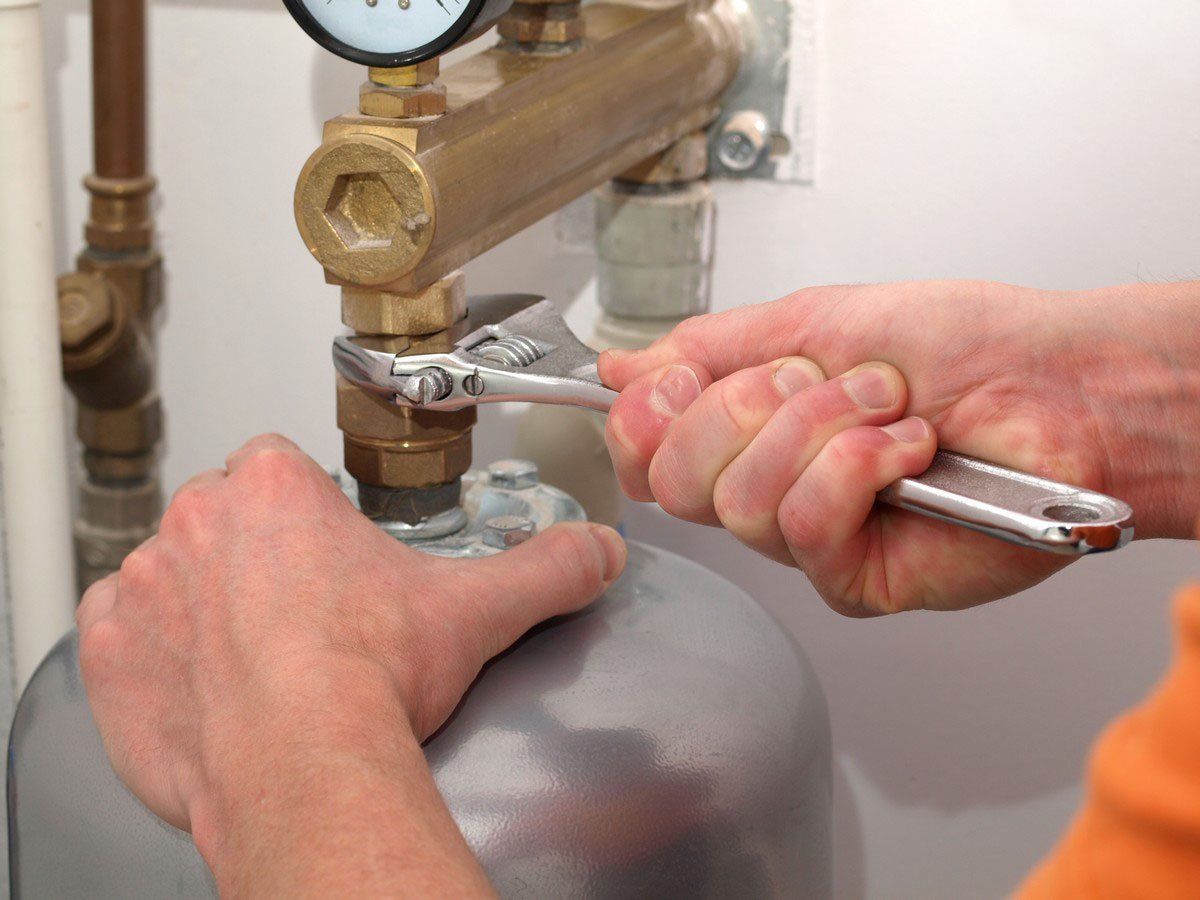
Avoiding unproven DIY component fixes and cheap, generic equipment modifications is the single most effective way to lower your home energy expenses. Relying on professional heating and air conditioning services ensures that your complex duct networks, electrical control modules, and refrigerant lines are balanced to match your regional weather demands. Taking proactive care of your compressors, heat exchangers, and ventilation fans protects your original real estate equity and keeps your system performing reliably through every seasonal shift.
When your commercial facility or residential property requires expert computer diagnostics or comprehensive system updates, selecting an established local heating and air conditioning services provider is the safest path forward. You can connect with Valley Metal & Heating Inc to analyze your current system configurations and manage your seasonal maintenance demands.
Investing in timely, region-specific climate solutions stabilizes your indoor air quality, providing your building with a clean, dependable, and highly energy-efficient mechanical baseline that supports your daily lifestyle and delivers lasting value.